From Room Turnover to Move-In: How St. John’s University Built Shared Accountability
Key Highlights

30% EARLY MOVE-IN
of students arrived before the major move-in day through a centralized, self-service early-arrival process as opposed to 7% the year prior.

48 HOURS SAVED
moving from manual to automated inspection data entry, giving resident assistants more time for training and student support.

$15,000 SAVED
in meal costs by consolidating early-arrival operations and reducing manual work for building leaders.

87% FEWER ROOM CHANGES
During the first week of the room-change period, requests dropped to just 10, compared with 60–70 in a typical week previously. Overall, total room-change volume has decreased 54% from Fall 2021 to Fall 2026.
Region
Industry
Beds
Active Since
Product Highlights
Integrations
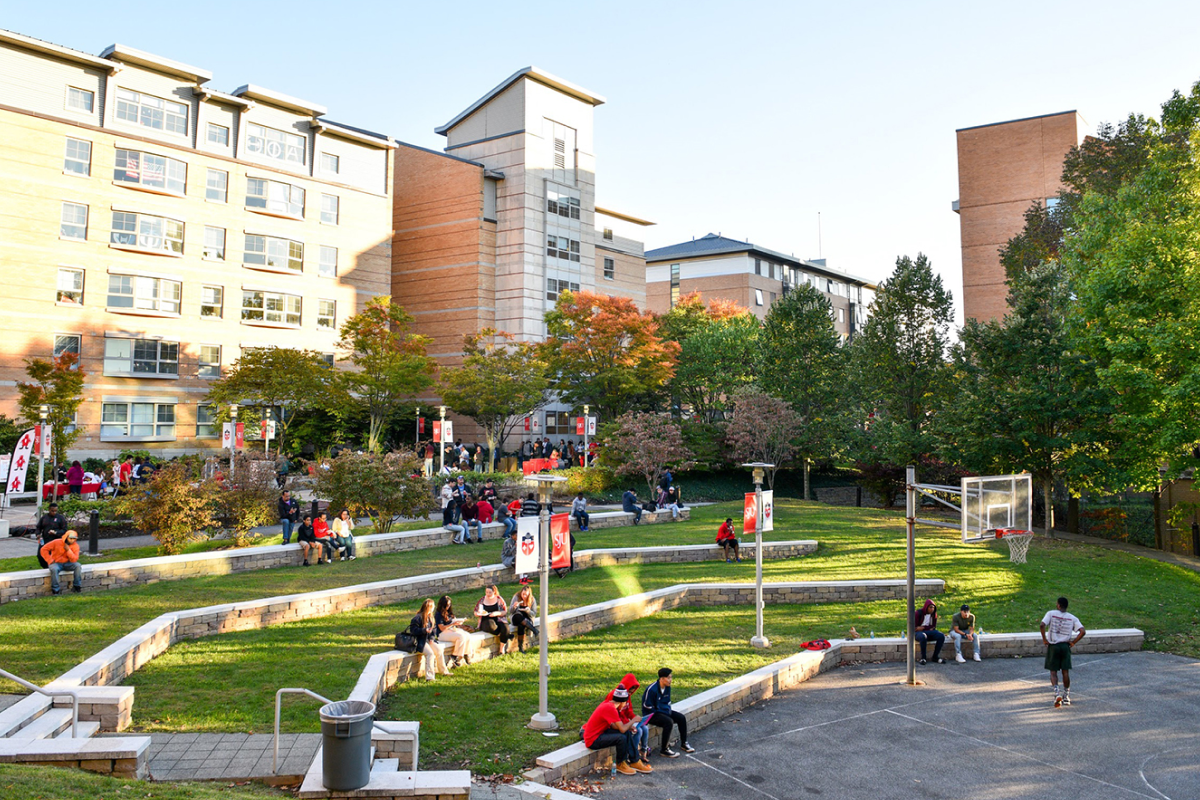
St. John’s University is a private Catholic and Vincentian university in Queens, New York. Its Residence Life team supports more than 3,000 undergraduate, graduate, and law students across the University’s residential community.
A Shared Standard for Every Room
For St. John’s University, a successful move-in experience begins long before students arrive on campus.
Each year, the Residence Life team manages a complex transition. Students move out, Facilities reconfigures rooms for optimal occupancy management, Conference Services begins summer operations, overnight Orientation programs buzz in and out, all while large scale deferred maintenance projects, building wide renovations and upgrades take place. It’s a juggling act fit for the likes of Barnum and Bailey leaving three campus partners working against a tight timeline to prepare rooms for early arrivals and fall move-in. Until recently, those teams managed much of that work through separate processes, including shared drives, Excel spreadsheets, damage photo archives, paper punch lists, and manual work-order entry.
The result was a fragmented handoff between teams. Staff could document a room issue, but tracking whether it had been addressed often meant chasing updates across departments.
“We had three independent agencies that had their own process. What we’ve tried to create is a sense of shared accountability between the leaders of these three different areas.”
— Jason T. Bartlett, Ph.D., Senior Director of Residence Life and Basic Needs, St. John’s University
That shared accountability became the foundation for a new room-readiness process powered by StarRez Inventory & Inspections and its integration with WebTMA, the University’s facilities management system.
Connecting the Turnover Process
Previously, Residence Directors documented room issues in spreadsheets, tracked keys manually, and entered facilities work orders one at a time. It was a paper-heavy process that required extensive follow-up and gave teams limited visibility into the status of a room.
Now, when student staff complete room condition inspections in StarRez, issues that meet the University’s criteria automatically create work tickets in WebTMA. Facilities updates, including ticket status and comments, flow back into StarRez.
Instead of relying on separate spreadsheets and handoffs, the teams can work from the same information.
“It’s been a drastic improvement for us, as we now own this information. It all lives in StarRez, creating increased accountability that ensures that things are getting done where they need to get done.”
— Joseph Dratch, Associate Director of Residence Life, St. John’s University
The connected process has also established a common language across departments. Residence Life, Facilities, and Conference Services can view the same room details, use consistent inspection standards, and understand which spaces need attention before the next resident arrives.
“It creates a shared language and a shared accountability to make sure that on move-in day, we’re delivering the best possible experience.”
— Jason T. Bartlett, Ph.D., Senior Director of Residence Life and Basic Needs, St. John’s University
Prioritizing What Comes Next
The biggest benefit of the new approach is not simply knowing what has happened. It is being able to plan for what comes next.
St. John’s uses StarRez Reporting & Analytics to compare summer booking end dates with fall booking start dates. The report identifies the amount of time available to turn each room and flags the spaces that need the most immediate attention.
For example, if a room has only 72 hours between a conference guest’s departure and an early-arriving student’s move-in, the team can prioritize it accordingly. Rooms with more lead time can be scheduled later in the turnover process.
That visibility helps teams act proactively, even during one of the busiest periods of the year.
The process is particularly important at St. John’s because early arrivals begin well before the University’s major move-in week. By centralizing move in appointment and early-arrival requests through its resident portal, the team made it easier for eligible students to secure self-service early arrival appointments to meet their travel needs. At the same time the new process reduced telephone and email traffic for à la carte requests, while generating additional housing and meal plan revenues.
When students create their early arrival appointments, data subscriptions backdate their start dates in real time giving campus partners a more accurate view of who was arriving, where, and when.
This year, approximately 30% of students moved in before the major move-in day. That distribution significantly reduced the lines, backups, and staffing pressure traditionally associated with the major move in weekend.
“Our process typically runs from 8 until 3 in the afternoon, and by noon, it was crickets. Smooth and orderly.”
— Jason T. Bartlett, Ph.D., Senior Director of Residence Life and Basic Needs, St. John’s University
Creating More Time for Student Staff
The new workflow has also changed how St. John’s prepares its student staff.
Before StarRez and WebTMA were connected, resident assistants spent significant time entering room-condition information manually into spreadsheets. Now, their inspections feed directly into the workflow, removing an administrative step and creating more time for training.
The team estimates that the change returned approximately a day and a half to the RA training period.
“That gives us more time to train them, which then makes them better prepared to deal with the human side of things when students get here.”
— Joseph Dratch, Associate Director of Residence Life, St. John’s University
For St. John’s, that distinction matters. Better processes are not just about closing work orders more efficiently. They are about allowing staff to be present, prepared, and available when students need them.
The University also saw encouraging early signs following move-in. During the first week of its room-change period, the team managed about 10 room changes. In previous years, that figure could reach 75 to 80 in a week. While the University does not attribute that difference to a single change, the team believes better room readiness, clearer communication, and more prepared RAs all contributed to a stronger student arrival experience.
Bringing Clarity to Checkout and Damage Billing
Shared accountability continues after move-in and throughout the resident lifecycle.
St. John’s has also moved its damage-billing process into StarRez, replacing an email-based process with clearer documentation, standardized communications, and structured appeal workflows.
Students now receive itemized invoices that explain specific charges in straightforward language. They can also review and appeal eligible charges through the resident portal within a defined timeframe.
For staff, the process creates a clearer record of what was charged, when an appeal was submitted, and how it was resolved. For students and families, it provides more transparency and reduces confusion around deposits, credits, and damage charges. With this new process, there is a clear and defined end point that helps prevent prolonged appeals and eliminates delays associated with the previous manual process. As a result, the team has seen a 57% decrease in the appeals process in the last year.
“It made everything a lot more streamlined and clean,” Dratch said.
Extending Support Beyond Campus
St. John’s is preparing to expand its commitment to reliable housing support beyond the residence halls.
Through its upcoming Off-Campus Housing Platform, powered by College Pads, the University plans to provide students with stronger guidance as they navigate off-campus housing in the competitive New York City market. For the University’s large commuter population, the future resource is intended to offer more dependable access to local housing information, renter education, and legitimate listings.
The goal is consistent with St. John’s broader approach to housing: giving students clearer information, stronger support, and a more reliable experience wherever they live.
By bringing key teams into the same system, St. John’s University is creating more than a better turnover process. It is building a shared standard for room readiness, a more coordinated move-in experience, and a stronger foundation for supporting students throughout their housing journey.
Connect with our team to learn how StarRez can help your institution create shared accountability across the residential experience.
Share